Improving the Carbon Footprint of Construction in Extreme Environments: A Computational Approach for Additive Construction in the North
Abstract
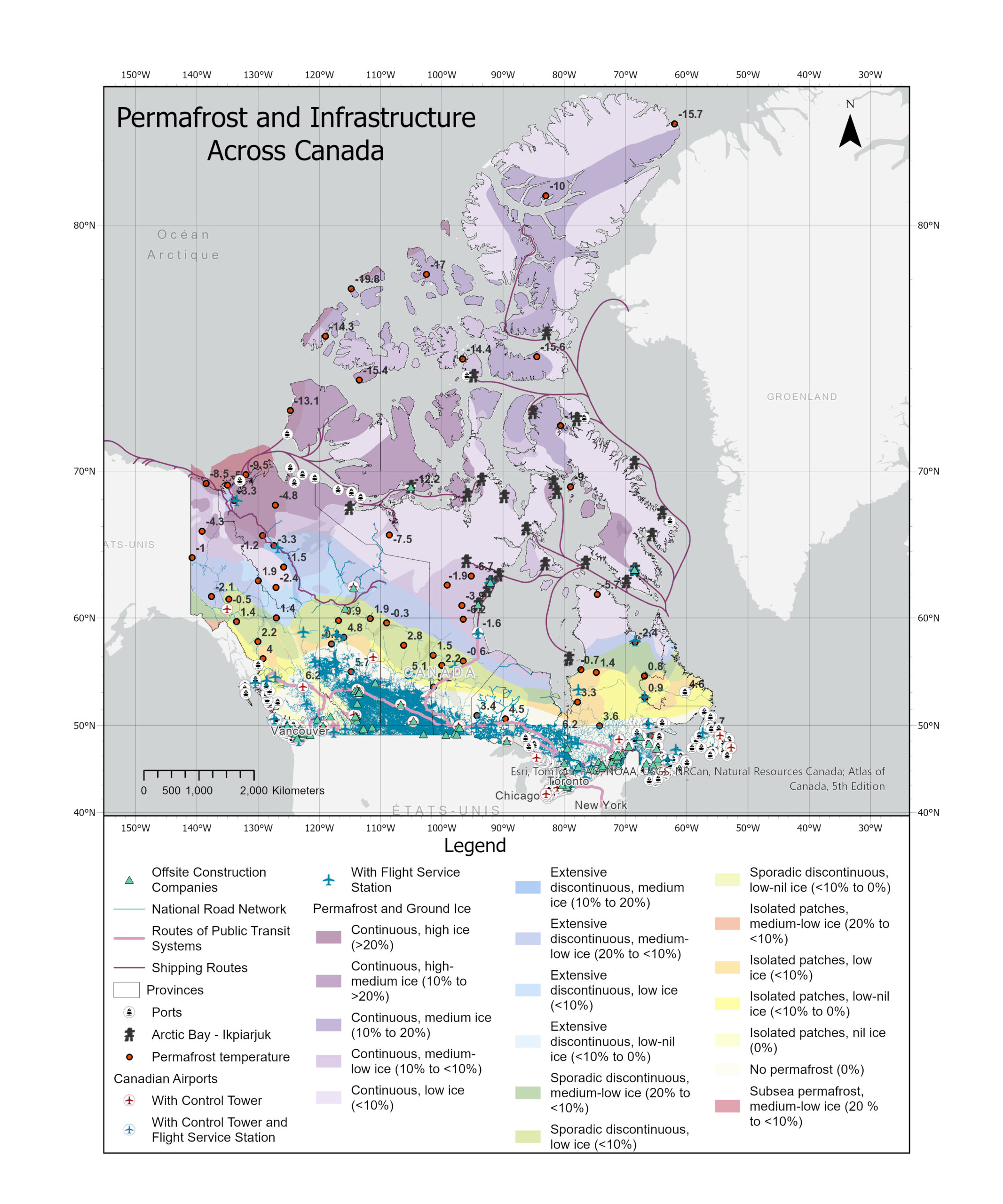
The construction sector is a major contributor to greenhouse gas emissions, with concrete production, transportation, and on-site activities generating significant environmental impacts. These challenges are amplified in Northern Canada, where remote locations, harsh climates, limited infrastructure, and urgent housing needs create additional technical and operational constraints. This dissertation examines the potential of 3D concrete printing (3DCP) to support lower-carbon and more resilient construction in these contexts while identifying the barriers that may affect its implementation. The study suggests that 3DCP may offer advantages in efficiency, material use, and design flexibility, while also potentially reducing some environmental and logistical challenges associated with conventional construction. At the same time, important technical, environmental, regulatory, logistical, and social uncertainties remain. Methodologically, the research is based on a Design Science Research framework supported by scientometric and systematic literature review methods, and proposes a GIS-integrated life cycle assessment and decision-support framework for evaluating construction scenarios in cold and remote environments.